- The Summary AI
- Posts
- 🚀 OpenAI Launches GPT-5.5 "Spud"
🚀 OpenAI Launches GPT-5.5 "Spud"
PLUS : OpenAI Workspace Agents

The Summary AI
April 24, 2026

In partnership with

Welcome back!
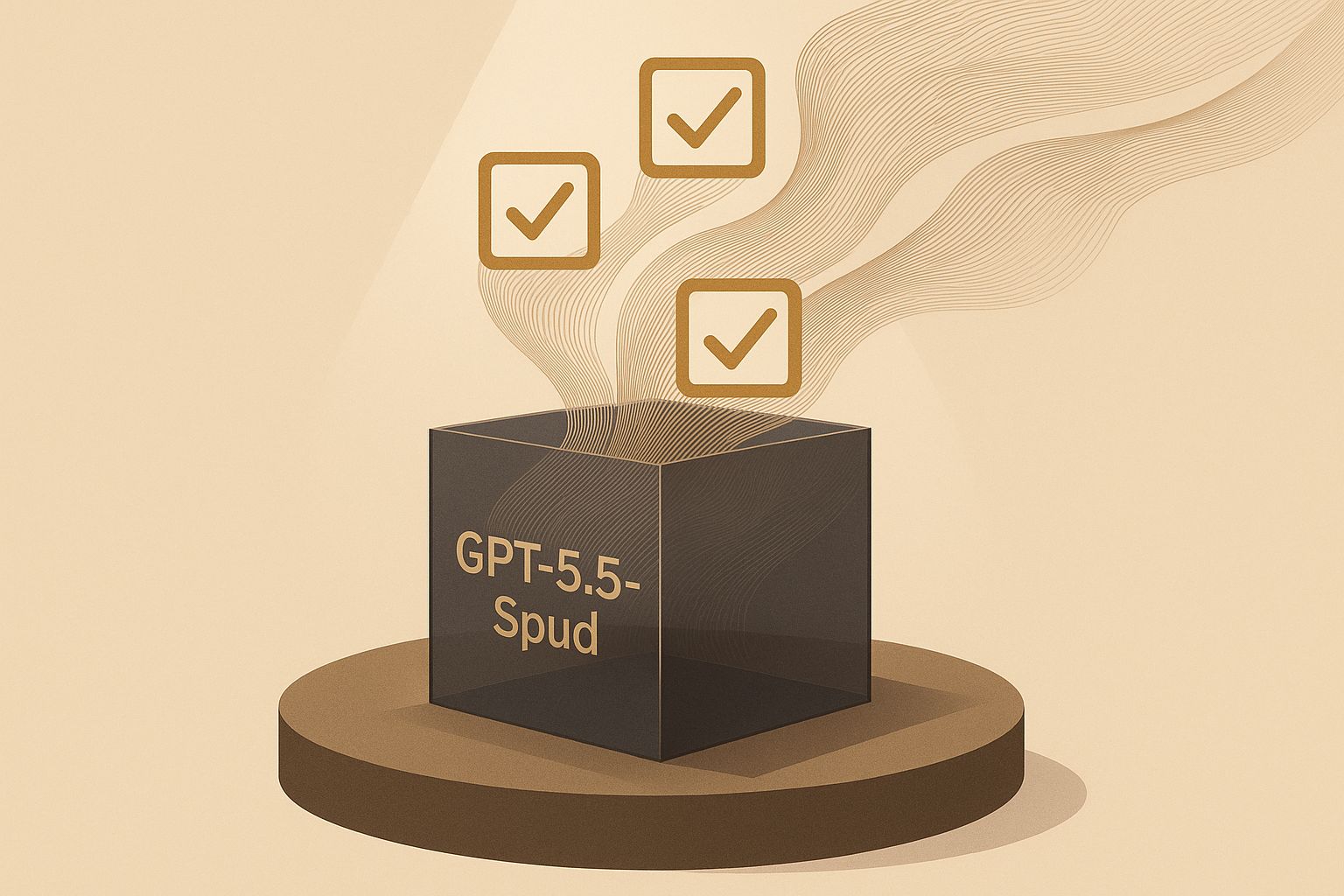
OpenAI just released GPT-5.5 “Spud”, built to do real work instead of just answering questions. It plans, uses tools, tests outputs, and keeps going with less hand-holding. The trend is clear: AI is moving from replies to results. Let’s unpack…
Today’s Summary:
🚀 OpenAI releases GPT-5.5
🛠️ OpenAI launches Workspace Agents
🌍 Google grounds AI in Maps
🖥️ Qwen 3.6 matches Sonnet
📝 Google open sources DESIGN.md
🩺 ChatGPT for Clinicians
🛠️ 2 new tools

TOP STORY
OpenAI launches GPT-5.5
The Summary: OpenAI released GPT-5.5, codenamed “Spud”, its new flagship model for coding, research, computer use, and professional tasks. The model outperforms competitors on most benchmarks. The main gain is less hand-holding: users can give it a messy goal, and the model can plan, use tools, test outputs, and keep moving.
Key details:
Scores 82.7% on Terminal-Bench 2.0 vs Claude Opus 4.7 at 69.4%
API pricing doubles versus GPT-5.4, but requires 40% fewer tokens
Wrote optimization algorithms for itself with +20% speed gains
API access delayed for additional safety work
Available now to Plus/Pro/Business/Enterprise ChatGPT and Codex
Why it matters: GPT-5.5 shows the AI market moving from answer quality to tools for work. The winning product is a system that holds long context, operates multiple tools, manages uncertainty, and finishes tasks inside existing apps. If a model can review tax forms, refactor codebases, build reports, and tune the GPUs that run it, it stops being a chatbot and becomes a work tool.

FROM OUR PARTNERS
Effortless Voice Dictation
Your prompts are leaving out 80% of what you're thinking.
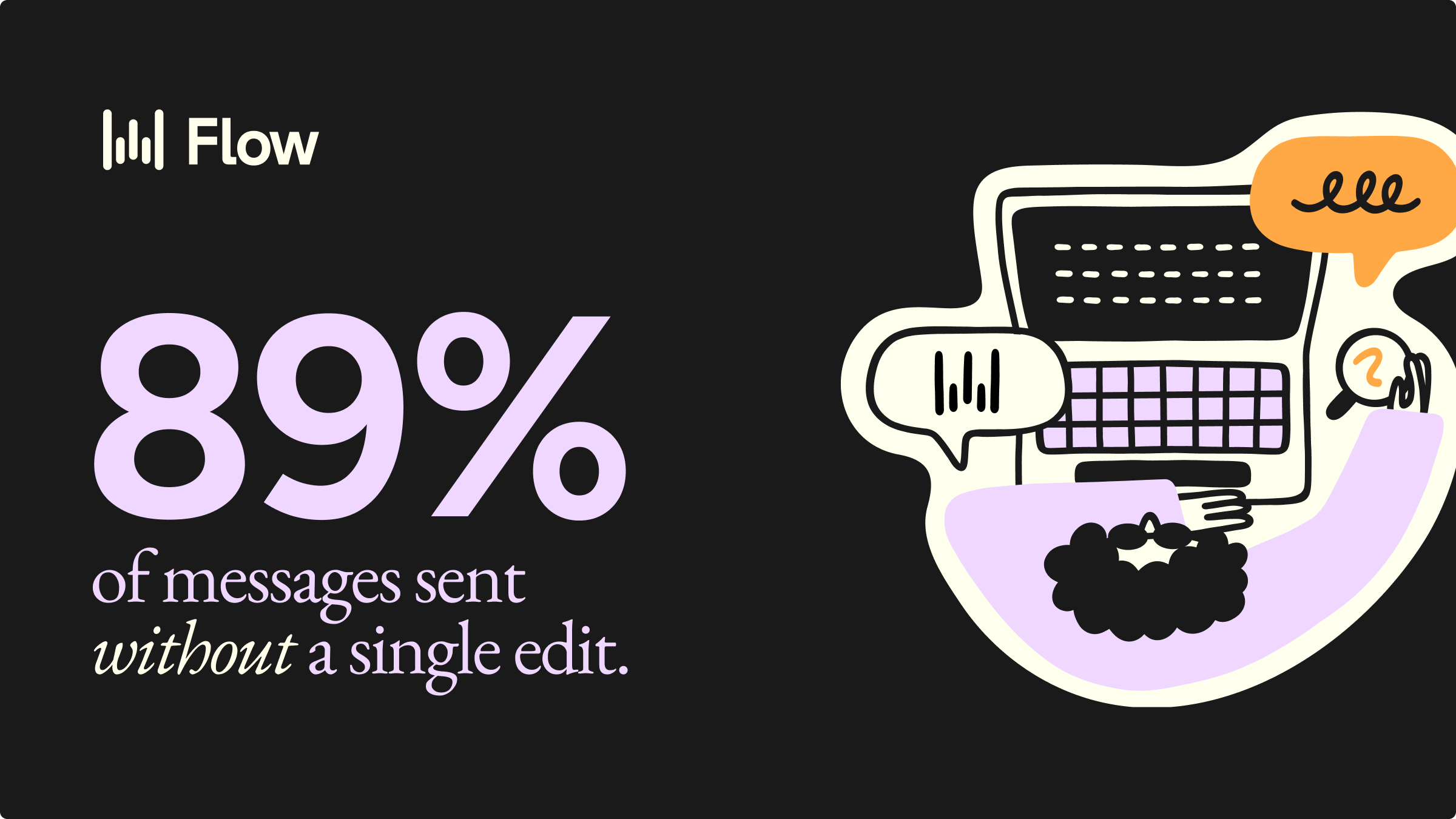
When you type a prompt, you summarize. When you speak one, you explain. Wispr Flow captures your full reasoning — constraints, edge cases, examples, tone — and turns it into clean, structured text you paste into ChatGPT, Claude, or any AI tool. The difference shows up immediately. More context in, fewer follow-ups out.
89% of messages sent with zero edits. Used by teams at OpenAI, Vercel, and Clay. Try Wispr Flow free — works on Mac, Windows, and iPhone.

OPENAI
OpenAI launches Workspace Agents for team automation
The Summary: OpenAI launched Workspace Agents in ChatGPT, powered by Codex, to handle team tasks and keep them running in the cloud when users are offline. Teams can build agents that pull data from multiple systems and use files, code, tools, and memory.
Key details:
Sales teams can use an agent that qualifies leads, pulls call notes and account research, drafts emails, and updates the CRM
Agents can be set to run on a schedule or deployed in Slack
Enterprise admins get role-based controls to manage tools
Available for Business and Enterprise plans, free until May 6, 2026
Why it matters: This competes more with Zapier, Notion, and internal automation scripts than with Claude. There is a dependency risk by embedding work processes in AI platforms, but there is also a productivity gain. Teams that build effective agents and understand the workflow will get leverage.

FROM OUR PARTNERS
Why AI Agents Still Feel Broken
[Live on May 6] Stop babysitting your agents

Agents can generate code. Getting it right for your system is the hard part. More MCPs solve access but not understanding. Join us for a FREE webinar on May 6 to see how to give agents exactly what they need, so they generate mergeable code the first time.
Google turns Street View into a film studio
The Summary: Google launched three AI tools for working with real-world imagery. Maps Imagery Grounding lets Gemini generate visuals anchored to actual Street View locations from text prompts. Aerial and Satellite Insights automates satellite image analysis. Two new Earth AI models can detect bridges, roads and power lines without custom training.

Source: Google
Key details:
Type "futuristic spaceship at Washington Square Arch" into Gemini and get images or videos grounded in the real Street View location
Aerial and Satellite Insights lets city planners query satellite imagery to find active construction sites in residential areas
Earth AI models are pre-trained to spot infrastructure objects like bridges, roads, and power lines
Why it matters: Google is turning Maps into a working asset for AI. For creative teams, that means testing scenes in real locations before scouting them. Google’s edge in real-world imagery helps solve the consistency problem that makes most generative AI visuals unusable for professional work. For planners and analysts, it allows querying satellite imagery for changes in construction sites or power lines without needing to train a custom model.

QUICK NEWS
Quick news

TOOLS
🥇 New tools
Gemini for Mac - New Gemini app for macOS
OpenAI Privacy Filter - Free tool to remove personal data from text

That’s all for today!
If you liked the newsletter, share it with your friends and colleagues by sending them this link: https://thesummary.ai/